The Sound of a Shmup: Rhythm, Identity, and Audio Clarity

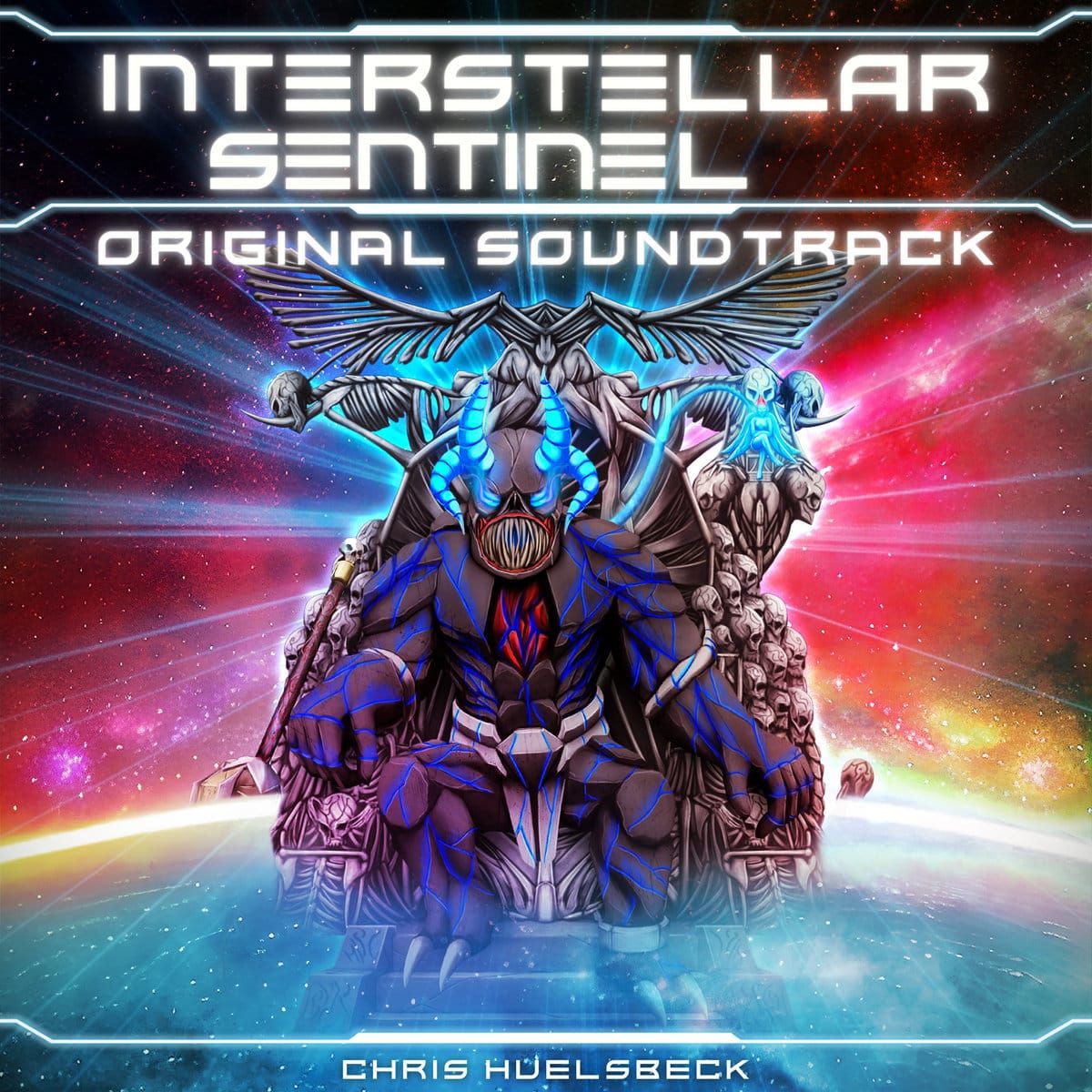
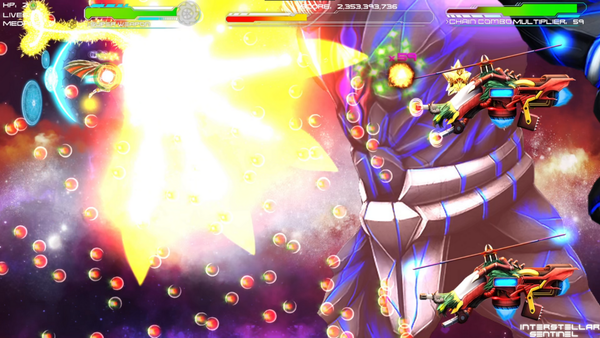
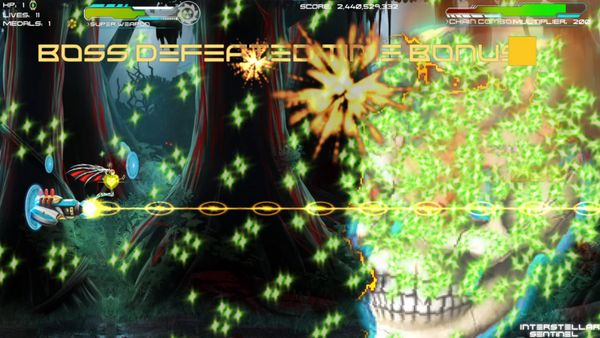
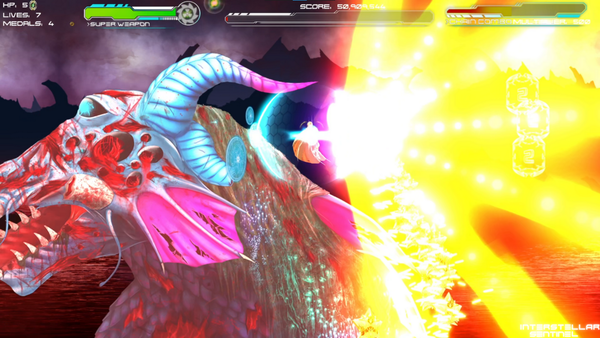
I thought it would be fitting to listen to the Interstellar Sentinel OST while reading this :) Enjoy as we channeled Super Metroid, Super Turrican, and The Terminator as inspirations, along with 80s Synths and some modern EDM influences to make the gem of my heart.
Why player shots, enemy pops, boss telegraphs, and pointsplosions matter almost as much as the soundtrack.
When people talk about shmups, the conversation usually focuses on visuals, bullet patterns, scoring systems, and mechanics.
But one of the most important things shaping how a shmup feels is something players may not consciously think about at all:
Audio design.
Great shmups do not simply play music with a pile of sound effects layered on top. The best ones treat sound as part of the rhythm, identity, and gameplay language of the experience.
Player weapons become percussion. Enemy explosions create punctuation. Boss attacks announce themselves through sound as much as animation. Collectibles turn into tiny musical rewards that make your brain want to scoop up one more medal, one more coin, and one more glorious wad of arcade nonsense.
You are not just hearing the game.
You are playing inside its soundscape.
The OST Is King
In most shmups, the soundtrack sits at the center of the experience.
It establishes the energy and pacing of the level. It carries the emotion. It tells you whether you are beginning a journey, pushing through danger, approaching something enormous, or fighting for your last sliver of survival.
Everything else in the mix should support that foundation rather than constantly fighting for attention.
That does not mean weapon sounds and explosions should be weak. It means they need to occupy their own places inside the soundscape.
A good weapon sound cuts through the mix without smothering the music. A good explosion adds impact without turning every defeated popcorn enemy into an audio traffic accident. A boss attack cue should be unmistakable without completely hijacking the soundtrack every five seconds.
When the balance is right, the music and gameplay begin to feel intertwined.
Player Weapons Should Feel Like Instruments
One useful way to think about player weapon sounds is to treat them almost like percussion.
Good player shot sounds are often:
- Crisp
- Fast
- Mechanical
- Rhythmically consistent
- Slightly ahead of the musical beat
Think about the relentless player shot in DoDonPachi, the attack sounds in Espgaluda, or the lock-on weapon in Radiant Silvergun.
These sounds do not merely communicate that a button is being held down. They become part of the texture of playing the game. They sit alongside the soundtrack like hi-hats, snare hits, or little mechanical engines driving the player forward.
When tuned properly, firing does not feel like you are interrupting the music.
It feels like you are playing along with it.
This is especially important in a genre where the player may be firing almost continuously. A sound that feels exciting once can become exhausting after three uninterrupted minutes. The weapon needs enough identity to feel powerful, but enough restraint to survive constant repetition.
Hits Need to Be Heard, Not Just Seen
Player weapon sounds tell you that you are firing.
Impact sounds tell you that the shots are actually doing something.
That distinction matters.
In a shmup, the player frequently cannot afford to look directly at the target. Their eyes may be focused on the player ship, the bullets immediately around it, or a safe route forming farther down the screen.
A good impact sound confirms that attacks are connecting even when the player is not looking at the enemy.
This may be especially important in a 16:9 shmup, where targets and threats can be spread across a wider visual field than in a traditional 4:3 layout. The player could be dodging near one edge of the screen while attacking something much farther away.
The impact sound closes that information gap.
It says:
Yes, you are hitting it.
Yes, the attack is working.
Yes, keep doing that.
That is not just satisfying feedback. It is gameplay information delivered without asking for more of the player’s limited visual attention.
Enemies Should Feel Good to Pop
Enemies also need satisfying death sounds.
Popcorn enemies exist partly to be destroyed, and destroying them should feel good. The sound of an enemy popping gives the action weight and creates a tiny rhythmic reward for each successful attack.
It also helps give enemies identity.
Organic creatures may squish, crack, burst, shriek, or dissolve. Machines may snap, spark, detonate, collapse, or rupture under pressure. In my shmups, the Interstellar Sentinel series, I often look at enemy deaths at the little moments of vocalization to give the character more substance. The Shadestress (an ice elemental banshee commanding ice shards) screams out an indignant nooooo along with the sound of cracking and exploding ice.
Organic enemies naturally invite more expressive sounds, but machines need love too.
A tiny drone and a heavy armored tank should not disappear with the same anonymous puff. Their destruction sounds can communicate material, mass, technology, and danger—even when both enemies only survive for a second.
The player may not consciously stop to analyze any of this.
They will still feel the difference.
Boss Attacks Need Rhythm, Timing, and Audio Clarity
Consider a giant boss preparing to stomp.
A useful animation rule might be:
Slow wind-up. Pause. Quick stomp.
The slow movement creates anticipation. The pause gives the player a moment to understand what is about to happen. The sudden impact provides force and surprise.
But the animation alone is only part of the attack.
The sound can reinforce every stage:
- A mechanical strain or rising tone during the wind-up
- A distinct cue during the pause
- A sharp impact at the exact moment of the stomp
- A heavy scrape or wall-drag during the recovery
The player may be looking at bullets, weak points, or another attack entirely. The audio helps them understand the timing without requiring their eyes to remain glued to the boss’s foot.
This is also where implementation begins to matter.
The animation states and timing windows need to be wired clearly enough that the attack can keep changing after playtesting.
Maybe the wind-up needs another quarter-second.
Maybe the pause is too long and kills the momentum.
Maybe the stomp is technically avoidable but does not feel fair because the warning cue arrives too late.
Maybe players need a larger response window after the impact.
Clear animation states make it possible to adjust anticipation, impact, recovery, damage timing, audio cues, and player response separately. The cleaner that setup is, the easier it becomes to tune the boss instead of fighting the implementation.
Sound design is not something that gets pasted onto the completed attack afterward. It is part of how those timing windows are communicated.
Information Density Matters
Shmups already push a ridiculous amount of information at the player.
Bullets.
Enemies.
Items.
Explosions.
Movement.
Weak points.
Score objects.
Warning indicators.
Huge robots doing rude things with their feet.
Audio design needs to be careful about adding unnecessary noise to that pile.
Environmental sounds- doors, fans, water, machinery, distant weapons, grinding metal can add texture and help establish the world. But when every background object demands attention, atmosphere quickly turns into clutter.
Subtlety goes a long way.
The goal is not to make the environment silent. The goal is to maintain an audio hierarchy.
The soundtrack carries the emotional experience. Player attacks and enemy destruction support the combat rhythm. Boss telegraphs communicate danger. Collection sounds reward player action. Environmental audio adds flavor around the edges.
Not every sound deserves to sit at the front of the mix.
Arcade Shmups and the Sound of Pointsplosions
It is also worth asking what kind of shmup world you are building.
Is it closer to the arcade school of Cave, DoDonPachi, Akai Katana Shin, or Deathsmiles?
Or is it closer to a home-console experience like Gradius V, Thunder Force, or Einhänder, where the environments, cinematic spectacle, and sense of traveling through a larger world may have more room to breathe?
These are not absolute categories, but they suggest different priorities.
Many arcade-style shmups are built around dense, repeated reward loops:
Destroy the enemy.
Burst it into medals, stars, coins, gems, or score objects.
Swoop through the pile.
Hear everything zip into the player.
Watch a meter increase.
Repeat.
I call these moments pointsplosions.
The collection sound is crucial because the player’s brain wants to hear those rewards being sucked up. The visuals promise abundance, and the audio completes the transaction.
This is where casino-like sound language can become useful.
When people think of slot-machine sounds, they may imagine big chonky mechanical things: spinning reels, gears, bells, coins, and heavy clanking noises from an old-timey machine.
But modern casino sound is also full of bright arpeggios, rising scales, layered chimes, and little escalating celebrations. Those sounds communicate accumulation and momentum remarkably well.
Collect one item: ping.
Collect five: ping-ping-ping-ping-ping.
Fill the meter: tiny electronic jackpot.
Your brain likes this.
Your casino brain really likes this.
I am not a big casino guy, but I did spend part of my childhood in 1980s Las Vegas playing arcade games while my mom gambled. Some of that sound language is apparently baked very deeply into my head. Heh.
Used carefully, that same language is perfect for rapid item collection, rising power meters, score chains, and giant showers of gold nonsense.
Audio Is Part of the Gameplay Language
At its best, shmup audio does far more than sound cool.
It communicates:
- Incoming boss attacks
- Dangerous pattern changes
- Successful hits
- Enemy destruction
- Item collection
- Increasing power
- Rising momentum
- Immediate danger
Over time, the player learns these sounds.
They recognize an attack before consciously processing it. They know their shots are connecting without checking the target. They hear a meter filling and understand that something powerful is about to happen.
That is when audio moves beyond aesthetics and becomes part of the control language of the game.
The screen is already asking the player to see almost everything at once.
Good audio lets them hear some of it instead.
You’re Playing Inside the Music
Great shmups often feel musical even though they are not rhythm games.
That happens because the best ones treat player shots, impacts, explosions, item pickups, and attack cues as part of the rhythm and structure of the experience.
The soundtrack establishes the heartbeat.
The weapon becomes percussion.
Enemies pop on top of the beat.
Boss telegraphs create anticipation.
Pointsplosions turn destruction into celebration.
When all of these pieces come together, the result is something special.
You are not just dodging bullets.
You are playing inside the music.